
Schedule a tour, ask questions, or get referral details:
207.294.4949
school@sweetser.org
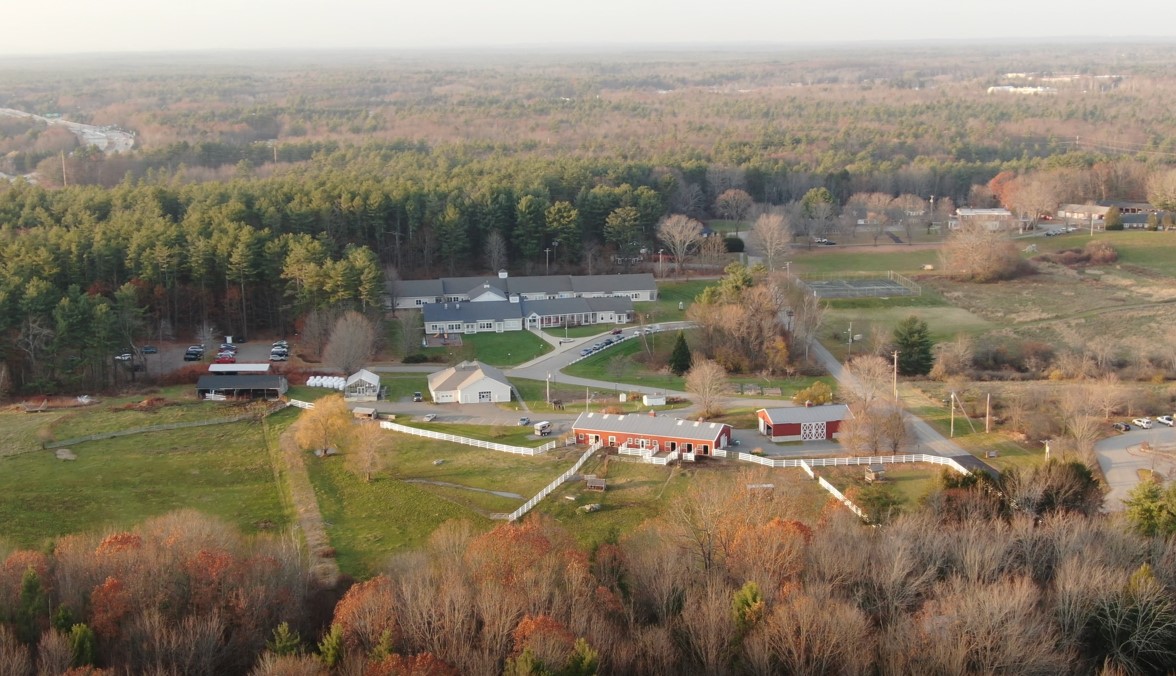
 Giving school-aged students the best chance for successful learning, Sweetser’s special education curriculum supports students struggling with social, emotional, and academic challenges. Our special purpose private school for K-12 students, is located on our flagship campus in Saco and offers an Experiential Learning Program with programs in Farm Science, Engine Technology, Woodworking, Culinary Arts, and Media Arts. The school is a supportive place, where students can learn alongside kids with similar challenges and gain the skills they need to succeed in a public school setting.
Our school offers exceptional, empathetic, and developmentally appropriate special needs education in a warm and welcoming environment. Our special education program puts children and families first. Sweetser’s team emphasizes discovery and fun. And we make a difference.
Working in close-knit multidisciplinary teams, the Sweetser special education department works with each family to develop behavioral and academic goals personalized for every child. These goals are reviewed quarterly with special needs teachers and specialists, and our special education courses are adjusted to support progress. And together, we help children and adolescents gain the skills and strategies they need to get back to their public school and help students achieve a high school diploma.
Download our Special Purpose Private School Brochure
School Success Story
Supporting Youth & Families Through Day Treatment Therapy
Children learn best when they feel safe and supported. Our therapeutic program is modeled on:
- Trauma Informed Care
- Cognitive Behavioral Treatment
- Trauma Focused Cognitive Behavioral Therapy
- Restorative Justice
- Family Therapy
The classroom serves as a community, enabling students to feel successful, learn about the importance of self and others, and gain a sense of belonging by safely practicing the skills to improve their interactions with others.
Team Approach
Our staff take a team approach, keeping parents / guardians involved when setting treatment goals and objectives for a student’s Individual Service Plan (ISP). The plan identifies specific steps for the student and family to focus on as they progress through treatment.
Clinical Case Reviews or Team Meetings are held periodically to ensure that the team understands and agrees with a student’s goals, and to revise them, if necessary. Students are encouraged to attend and participate in these meetings, as well as review their ISP with their team.
Types of Therapy
 Group
Group therapy occurs weekly in the classroom. It gives children an opportunity to practice perspective taking, build empathy, relate to one another, develop classroom community, and problem solve challenges throughout the day. Classroom staff and clinicians participate in groups to provide support, offer feedback, and model appropriate social skills.

Family
Family involvement is a foundational component of the day treatment program. Families are interconnected. When one person makes a change, the entire family system is impacted. This is how children and families heal. As children learn new skills and process their trauma, the treatment team works with their family to support them in learning new behavior management tools, improving communication, and strengthening relationships.

Play
Play is how children communicate with adults and process their experiences. Play provides a safe and relaxed opportunity to learn about the world. We provide space for children to use play therapeutically in individual sessions and in groups. This fosters healthy social interactions, development of emotional regulation, and builds positive experiences and self-confidence. Trauma often interrupts a child’s development. Play can be a non-threatening way to support their growth.

Milieu
Many students learn best with in-the-moment coaching and direct support in the classroom. This may look like a clinician completing a project with a student during art class, providing co-regulation during English, joining a gym class to provide modeling around positive sportsmanship, or playing a board game with students during an afternoon break.

Individual
Students work individually with a clinician in a safe environment to process their feelings, learn coping skills, and engage in problem solving. This could be related to anything from day-to-day challenges at home or the classroom, relationship ruptures, or past trauma. Students build self-awareness of their triggers, patterns in behavior, and their own needs, with the goal of these skills being generalized across environments.
Experiential Learning
Designed for students with behavioral, emotional and/or learning disabilities who are experiencing difficulty learning in a traditional classroom, our one-of-a-kind program offers them the opportunity to develop the academic, social, and behavior skills necessary to reach their goals. Our staff collaborates with school districts and classroom teachers to meet Individualized Education Plan (IEP) goals in math, reading, writing, and science using specially designed instruction and project-based learning.
Our low student-teacher ratio ensures students receive individual support. We use a variety of hands-on teaching methods and behavioral support techniques. Students blossom under the guidance of instructors, who demonstrate skills and then allow students to try for themselves.
Students benefit from seeing a project through from start to finish. These positive experiences not only help students with their current educational goals, but also promote good work habits and collaborative skills applicable throughout their lifetime.
Program Goals

 Farm Science
At Ricker Farm on our Saco Campus, the Farm Science classroom exposes students to in-depth activities such as maple sugaring; seed to harvest growing; canning and preserving fruits and vegetables; sales and marketing; career preparation; merchandising; customer service skills; and pro-social activities. Farm learning components include:
- Plant and animal science
- Horsemanship and animal husbandry
- Outdoor education
- Gardening and agriculture
- Equipment operation and Safety
- Knowledge of working farm issues
- Community outreach though student-led educational tours
The program also uses a greenhouse and cold frame environment, along with the outdoors, to offer students the opportunity to learn basic operations. Greenhouse learning components include:
- Maintenance and tool safety
- Plant propagation
- Basic plant science
- Seasonal sales and merchandizing
- Research and experiments
 Engine Technology
Students in our Engine Technology classroom gain fundamental, hands-on experience working with tools for repair projects on bicycles, small engines, and automobiles. Students learn tool safety, and work with hand and power tools, as their ability allows. Learning components include:
- Small engine, lawn mower and bicycle repair
- Automotive reconditioning and body work
- Engine tune-up, oil changes and brake system repair
- Tire changes
- Car stereo installation
- Welding
 Woodshop
This classroom offers students a variety of hands-on activities and project-based learning, in woodworking and general carpentry. Students are taught proper safety, including hand and power tool operations, as well as on-the-job site safety protocols. Through specially designed instruction, students understand and demonstrate math computations and basic woodworking skills. Learning components include:
- Measuring
- Addition, subtraction and multiplication
- Basic geometry
- Cost analysis
- Design
 Culinary Arts
A large, vibrant classroom houses the student kitchen and café, which the students help run. Students work with staff to prepare special lunches and treats. They develop menus with weekly themes, and learn food prep and cooking skills. Students create food displays, stock products, assist customers, and run the register. They also cater agency-wide events. Learning components include:
- Units of measurement
- Budgeting
- Event planning and coordination
- Customer service & money exchange
- Sales and marketing
- Meal planning and prep
- Communication skills
- Following written and oral directions
 Media Arts
Students gain foundational skills in the fields of portfolio development and computer skills while in this unit. Learning components include:
- Event flyers and culinary menus
- School newspaper
- Mural design
- Event planning & coordination
- Event photography
- Field trips to local art-related businesses
- Portfolio development
- Research project
Download experiential program flyer
ADDITIONAL RESOURCES
A Parent Shares How Sweetser Supported Her Son
A Recent Graduate Shares His Experience